
1. Is the complete suffix on the existing nameplate?
Send a clear nameplate photo when possible. A suffix can change voltage, enclosure, keypad, braking or communication options even when the family name looks identical.
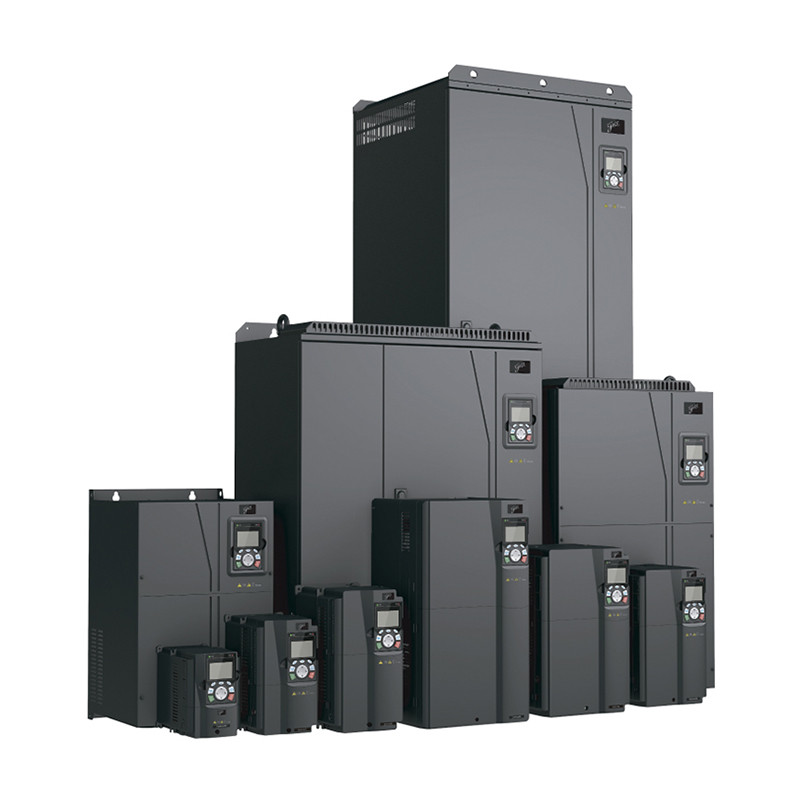
Galt Electric · G500
50 / 40 HP · 480 V · 3 Phase Input - 3 Phase Output variable frequency drive
Galt Electric G500 G540-00750UL-03 is a VFD model reference. Confirm the motor nameplate, input supply, control requirement and final configuration before supply.
Send this exact model
The message includes this product page, brand, model and known rating. Just add quantity, destination or any requirement in the final blank.
Ask on WhatsAppReference data
What this page confirms
This profile identifies the Galt Electric G500 model code G540-00750UL-03 and its listed baseline rating of 50 / 40 HP · 480 V · 3 Phase Input - 3 Phase Output. It deliberately does not assume control mode, dimensions, current rating, enclosure, option cards or protection functions from other models in the same family.
This reference was normalized on Sep 1, 2026. We verify the nameplate, manufacturer documentation and supply requirement before confirming a unit.
Selection check
Giving us these details prevents a look-alike model code from becoming the wrong drive, voltage class or duty selection.
Send a clear nameplate photo when possible. A suffix can change voltage, enclosure, keypad, braking or communication options even when the family name looks identical.
Share motor kW/HP, rated current, voltage, frequency and the real incoming supply. This is how we check whether the listed rating is a viable starting point.
Pumps and fans, high-starting-torque machinery and retrofit work can need different overload, braking, I/O or fieldbus requirements. Add quantity and destination in the WhatsApp message and we will take it from there.
Variable Frequency Drive FAQ
Use these fundamentals to prepare a better model-matching request. For a broader introduction, see our variable frequency drive guide.
A variable frequency drive (VFD) is an electronic AC motor controller. It regulates motor speed and torque by varying the frequency and voltage supplied to the motor.
That control makes VFDs useful wherever demand changes over time: HVAC equipment, pumps, fans, compressors, conveyors and industrial machinery. A VFD can provide a controlled start and stop as well as a speed setpoint for the process.
Variable speed drive (VSD) is the broader term for any drive that changes motor speed. Variable frequency drive (VFD) is the common term for an AC drive that changes an AC motor’s speed by changing output frequency and voltage.
A DC motor can use a DC drive that varies voltage, while an AC motor commonly uses a VFD. In day-to-day industrial purchasing, people often use VSD and VFD interchangeably for AC drive applications, so checking the motor type and supply is more important than the label alone.
The practical benefits depend on the load and the installation, but a correctly selected VFD can reduce energy use on variable-torque applications and give the process more controlled acceleration, deceleration and operating speed.
VFDs are commonly used where changing motor speed improves control, efficiency or starting behavior. The final drive duty must still match the mechanical load and operating cycle.
VFDs are selected by their incoming supply and motor-side output. A single-phase-input VFD commonly accepts a 200–240 V single-phase supply and produces three-phase output for a compatible motor. Three-phase-input VFDs are available in several voltage classes, including 200–240 V and 380–480 V ranges.
The nameplate and manual for the exact drive always control. Do not assume that a listed voltage or series name means the same input, output or phase arrangement across every suffix.
Start with the complete drive nameplate and the motor nameplate: kW/HP, rated current, voltage, frequency and speed. Then confirm the incoming supply, load type, required overload, braking, environment, cable length and any I/O, feedback or fieldbus requirements.
For replacement work, the full suffix matters. Two drives in one family can differ in voltage class, duty rating, enclosure, keypad, braking hardware, communication options or regional configuration. A clear nameplate photo is the fastest way to avoid a mismatch.
Yes. The motor insulation class, application speed range, long motor-cable effects, cooling at low speed, bearing-current protection and grounding arrangement can all affect a VFD installation. High-performance, high-speed or critical applications may need additional filters, reactors, feedback or manufacturer guidance.
Same-brand references
We include this page, your selected model or specifications, and a reference. You only add quantity and destination before sending.